Free Shipping When Buying 3 Or More Packs


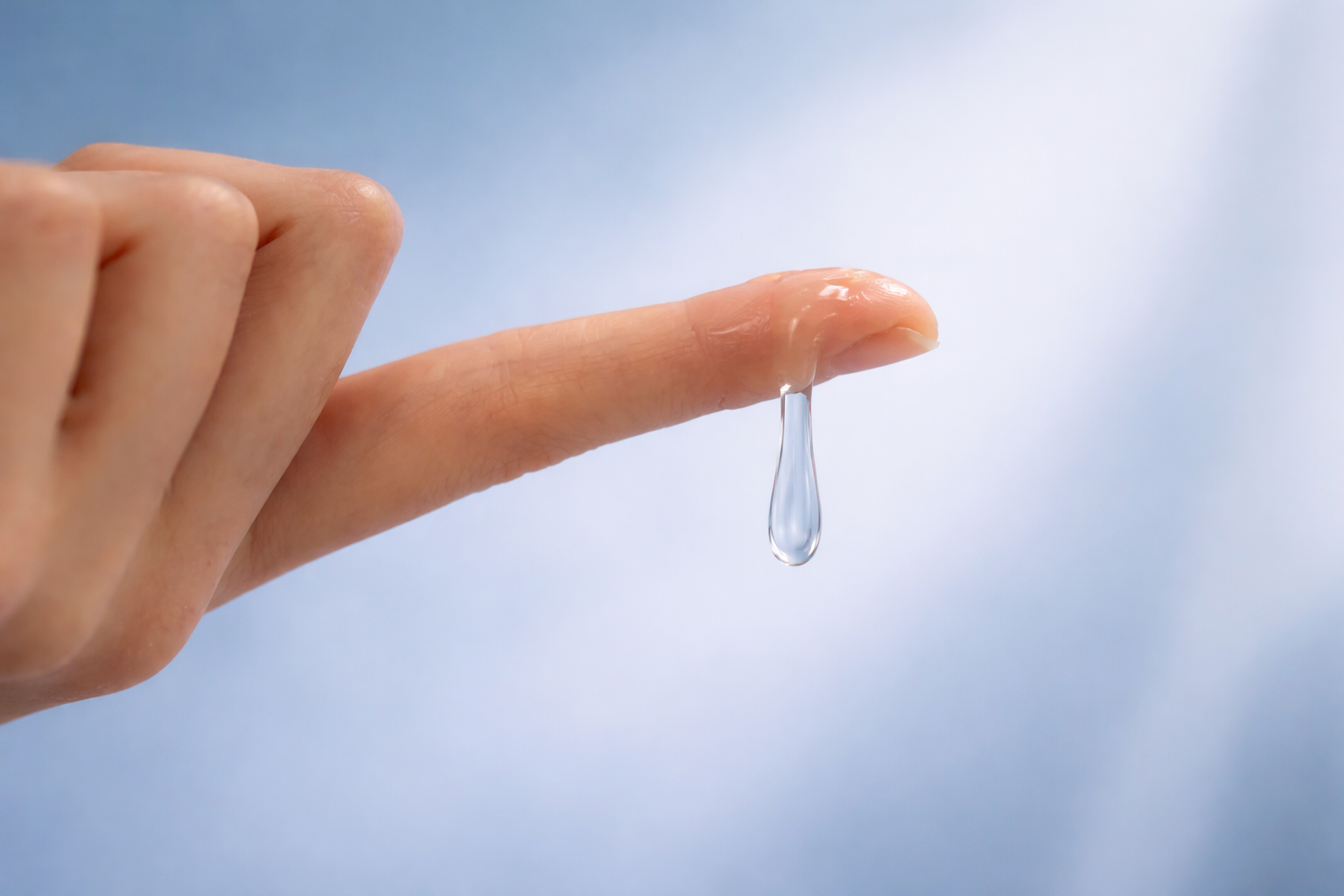
Lubricants Help in the Moment - But They’re Not the Whole Story
If you’ve ever reached for lubricant and thought, “Okay, this helps… but something still feels off,” you’re not imagining it.
Many of us use lube because it eases friction. It can make intimacy possible again. Sometimes it’s the only way we can even consider being close. And there’s no shame in that.
But if dryness keeps coming back - or if intimacy still feels uncomfortable even with lubricant - it can start to feel frustrating. Or confusing. Or honestly, a little discouraging.
Here’s the part we don’t talk about enough: lubricant helps on the surface, but it doesn’t change what’s happening inside vaginal tissue.
And that matters.
What Lubricant Actually Does (And Why It’s Still Useful)
Lubricants do one important thing very well: they reduce friction.
They coat the vaginal opening and surrounding skin so things glide instead of rub. That can mean less burning, less irritation, and fewer “please stop” moments. For many of us, it’s a necessary tool - especially during perimenopause, menopause, postpartum, or after long stretches without intimacy.
So yes, lubricant has a place. We’re not throwing it out.
But lubricant is external. Temporary. It doesn’t change the condition of vaginal tissue itself.
And that’s where the deeper discomfort often lives.
The Changes That Lube Can’t Reach
As hormones shift, vaginal tissue can become thinner, drier, and less elastic. Blood flow can decrease. Natural moisture doesn’t show up the way it used to - even when we’re aroused and emotionally present.
If you’ve ever felt dryness before intimacy even starts, or noticed lingering soreness after, that’s often tissue-level dryness. Not just a lack of slip.
Lubricant sits on top of that tissue. It doesn’t hydrate it. It doesn’t support the vaginal lining. It doesn’t help the body rebuild its own moisture from the inside.
That’s why some of us keep reapplying lube… and still don’t feel quite right.

Why This Isn’t a Personal Failure
It’s easy to think, “Maybe I’m using the wrong product,” or “Maybe this is just how it is now.”
But needing more than lubricant doesn’t mean your body is broken. It means your body is asking for a different kind of support.
External help is only one piece of the picture. Internal hydration and tissue support matter too - especially when dryness is ongoing, not occasional.
Where an Internal Approach Comes In
This is where something like HydraHer fits - not instead of lubricant, but alongside it.
HydraHer works internally to support vaginal moisture and tissue comfort over time. It’s hormone-free, taken as a daily capsule, and designed to help the body rebuild hydration from within - not just mask dryness at the moment it shows up.
Many of us still use lubricant when we need it. But when internal dryness is addressed too, intimacy can start to feel less fragile. Less dependent on perfect timing and perfect prep.
More like something we don’t have to brace ourselves for.

A Gentler Way Forward
If lubricant has helped but hasn’t fully solved the problem, you’re not alone. And you’re not asking for too much by wanting more comfort, more ease, and less mental math around intimacy.
Sometimes the answer isn’t another surface solution - it’s giving your body deeper support and letting things rebuild slowly, naturally, and without pressure.
You deserve more than just “getting through it.”
You deserve to feel comfortable in your body again - from the inside out.
